
Most people work hard for years and still feel stuck. They want more freedom and more security but their job controls everything. Whenever expenses rise or the economy shifts they feel the pressure. This is the situation many people face. A career that pays the bills but never gives space to breathe. You might recognize the feeling. You work all month and the money disappears as fast as it arrives.
A real world example is someone who has been in the same company for ten years. They get a small salary increase every couple of years. Their rent increases faster. Their kids need more. Groceries go up. They feel tired and drained but they cannot quit their job because it is their only income. This is exactly the pain point the Mind Your Own Business framework solves.
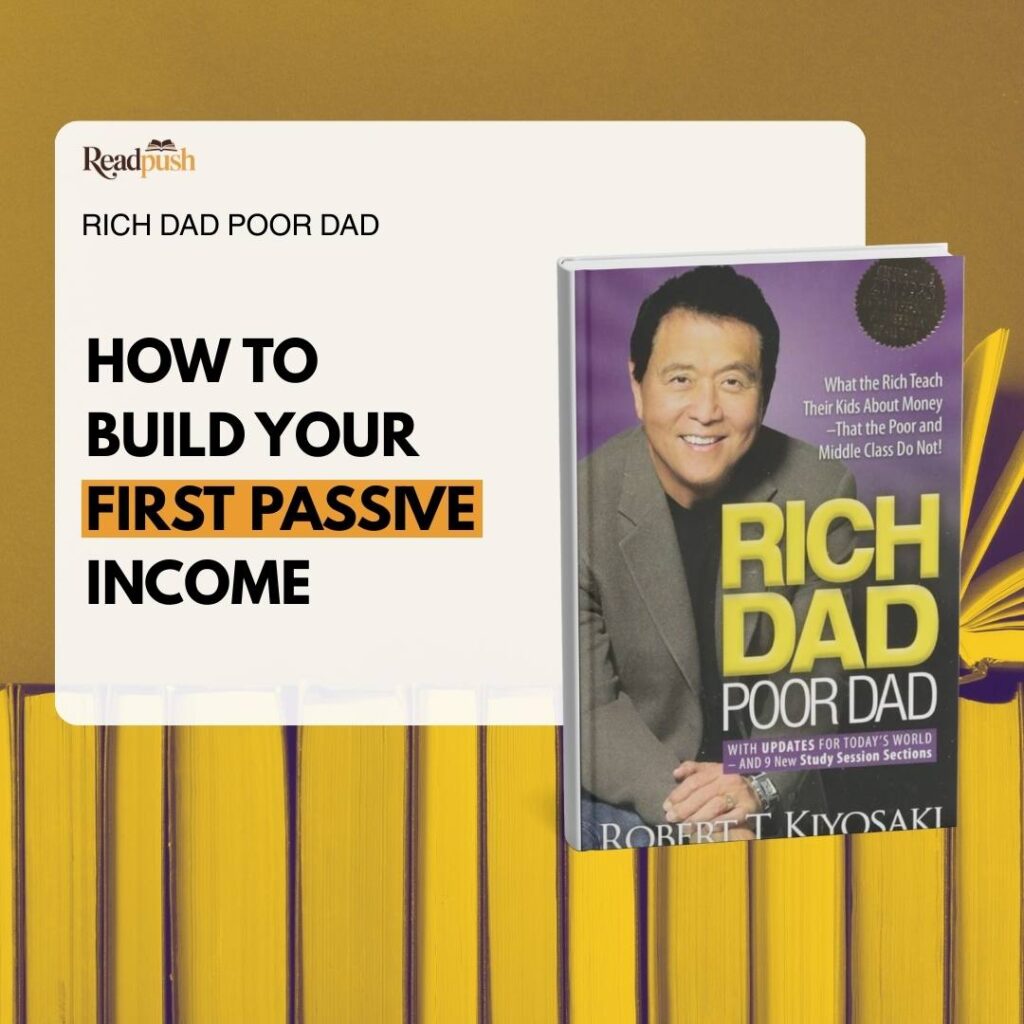
This framework comes from Robert Kiyosaki’s Rich Dad Poor Dad which argues that true financial growth comes from building assets that produce cashflow. You can read our complete breakdown in the full Rich Dad Poor Dad summary. When you apply this one idea correctly you separate your personal security from your employer and you create your own path to independence.
By using this guide you will learn how to mind your own business and build your first passive income stream in a simple and practical way. You will understand what this framework means, why it works, and how to apply each step. You will also learn the biggest mistakes to avoid while building your asset column.
You will walk away with a clear plan that shows exactly what to do today, this week, and this month. This is a complete blueprint that turns the theory into action.
Understanding mind your own business
Mind Your Own Business is one of the central ideas in Rich Dad Poor Dad. It teaches that your real job is not the work you do for your employer. Your real job is to build your personal asset column. That asset column is your business. It produces the income that frees you.
The framework works because it shifts your focus from your salary to assets that generate money whether you work or not. Most people concentrate only on improving their job or asking for a raise. They stay in the same trap for years. The Mind Your Own Business idea breaks that cycle. It guides you to build streams of income outside your job so you are never dependent on one source.
A strong asset column can include rental property, small digital businesses, dividend stocks, affiliate projects, service systems or intellectual property. The point is to build something that generates cashflow even when you are not working.
For the full context of how this framework fits inside the book’s larger philosophy see the deep analysis of Big Idea Mind Your Own Business in our Rich Dad Poor Dad frameworks guide.
The logic is simple. When your assets produce income you gain options. You can change careers. You can reduce work hours. You can travel. You can start a company. You can retire earlier. You create space in your life because your money works for you.
Prerequisites
Before you begin you need a few simple things.
You need basic financial awareness. That includes knowing what you earn, knowing what you spend, and understanding the difference between assets and liabilities. You do not need advanced skills. You only need clarity.
You need a steady income from your job or freelance work. This framework does not tell you to quit. It tells you to keep the job but direct your extra energy into building your own asset column.
You need the right mindset. That means patience and discipline. You will build your first passive income stream step by step. Small wins matter more than big jumps.
You need simple tools. A notebook or digital file to track your ideas, a basic spreadsheet to track cashflow, and a calendar to assign weekly tasks. Nothing complex.
The time commitment is small but consistent. Thirty to sixty minutes per day or five focused hours per week is enough to start building your first income stream.
Step by step implementation
This is the core of the blueprint. This section teaches you how to mind your own business through a detailed plan that takes you from zero to your first passive income stream.
Step 1: separate your job from your wealth building activities
What to do
Create a clear mental division between what you do for your employer and what you do for yourself. Your job pays the bills. Your business is your asset column. Write this at the top of your notebook or digital file: My job pays my expenses. My business builds my wealth.
Why this matters
This simple mental separation changes your decisions. You stop relying on your employer for financial security and start creating your own.
Step 2: identify your starting point and your available resources
What to do
List your income, expenses, skills, free time, savings and interests. This is your starting point. Identify what you can use to create an asset. You might have writing skills, design skills, technical abilities or knowledge in a niche. You might have two hours every evening. You might have one hundred dollars to invest.
Why this matters
Passive income streams are built with what you already have. You need clarity first before you move forward.
Step 3: choose one simple asset type for your first passive income stream
What to do
Select one asset category that matches your skills and resources. Good beginner options include digital products, affiliate websites, small social media content systems, simple rental unit management, dividend stocks or a low cost service system that later becomes automated.
Why this matters
Focus is essential. One asset built well beats ten ideas that never become real.
Step 4: study your chosen asset model for seven days
What to do
Spend one week learning only the basics of your chosen asset. Watch tutorials, read guides, observe examples, and note patterns. For example if you choose digital products study successful templates and storefronts. If you choose dividend stocks learn how payouts work.
Why this matters
You need a simple foundation before you start creating. This preparation prevents unnecessary mistakes and builds confidence.
Step 5: create a minimum viable asset
What to do
Build the smallest version of your chosen asset that can generate even one dollar. If you are creating digital products make one simple template. If you are creating an affiliate site publish a small guide with two product recommendations. If you are starting a small rental operation find one property owner who needs a cohost. If you choose dividend stocks buy one share from a stable company.
Why this matters
Once you create your first small asset you build momentum. Passive income starts with tiny steps that later compound.
Step 6: launch your asset on a real platform
What to do
Publish your product or service on a marketplace or platform. Examples include Etsy for templates, Amazon KDP for low content books, a small blog for affiliate marketing, a rental platform for property listings, or a trading platform for dividend stocks. Your job here is to get the asset live.
Why this matters
An asset does not count until it is active and available to the market. This is the moment your wealth building begins.
Step 7: track your performance for thirty days
What to do
Measure views, clicks, purchases, traffic or inquiries depending on your asset type. Write these numbers down each week. Note what works and what does not.
Why this matters
You cannot grow an asset you do not measure. Tracking helps you refine your strategy and improve your results.
Step 8: improve your asset using real data
What to do
Make small weekly adjustments based on your numbers. Improve your title. Improve your visuals. Improve your description. Improve your pricing. Improve your promotion. Add one new element each week.
Why this matters
Passive income is built through small improvements that increase visibility and conversion. This is how assets grow.
Step 9: reinvest the first dollars you earn
What to do
When your asset starts earning even a small amount take that money and reinvest it into tools, ads, additional products or education. Never spend the early profits.
Why this matters
Reinvesting early profits accelerates growth and builds a stronger asset column.
Step 10: expand your asset into a small system
What to do
Once your first asset earns consistently create a small set of related assets. For example create a bundle of digital templates, publish more product reviews, manage more rental units or buy more dividend stocks.
Why this matters
A system multiplies income. Multiple small assets create stable passive income and protect you from market changes.
Common mistakes to avoid
Many people fail with this framework because they make predictable mistakes. Avoiding these mistakes increases your chances of creating a real passive income stream.
The first mistake is trying to start too many asset types at once. You might feel excited and want to try everything digital products, affiliate websites, real estate, stocks. This divides your focus and slows your progress. Choose one asset and stay with it until it earns consistently.
The second mistake is expecting fast results. Passive income requires patience. It often takes weeks or months before the first stable earnings arrive. People quit too early because they want instant success.
The third mistake is spending early profits. If you use your first small earnings for personal expenses you delay growth. Reinvesting is part of the Mind Your Own Business idea. The asset must feed itself.
The fourth mistake is copying others without understanding the process. You can learn from successful examples but you must adapt them to your situation and your skills.
The fifth mistake is not tracking numbers. Without data you guess. Guessing leads to frustration and wasted time.
The sixth mistake is waiting for perfect conditions. Many people delay action because of fear. They wait for more knowledge or more savings. Starting small is always better than waiting.
These mistakes can stop your progress. Avoid them and you increase your chances of success.
Building your first passive income stream using the Mind Your Own Business framework can transform your financial life. You move from dependence on your job to ownership of your income. You create freedom because your assets work for you every day.
You can start small. You can start with a tiny product or a single share of a dividend stock or one rental unit. What matters is action. Each step builds momentum. Each small win strengthens your asset column.
The key principle to remember is simple. Your job pays your expenses. Your business builds your wealth. Keep this idea at the center of your financial decisions.
For more actionable frameworks from Rich Dad Poor Dad explore our full lessons guide or dive into the Big Idea Pay Yourself First and Big Idea Master Money Skills for deeper context.