
The most striking part of the Darrin and Kristin Schmidt case study is the final result. They welcomed their first child with zero debt, a six month emergency fund, and a calm confidence that most young families only dream about. This transformation did not begin with perfect conditions. It began with a growing sense of fear that their finances were not built on solid ground. Their income was inconsistent, their spending was random, and every unexpected bill felt like a crisis waiting to happen. When they discovered the idea of a fully funded emergency reserve, they sensed this was the missing structure they had needed.
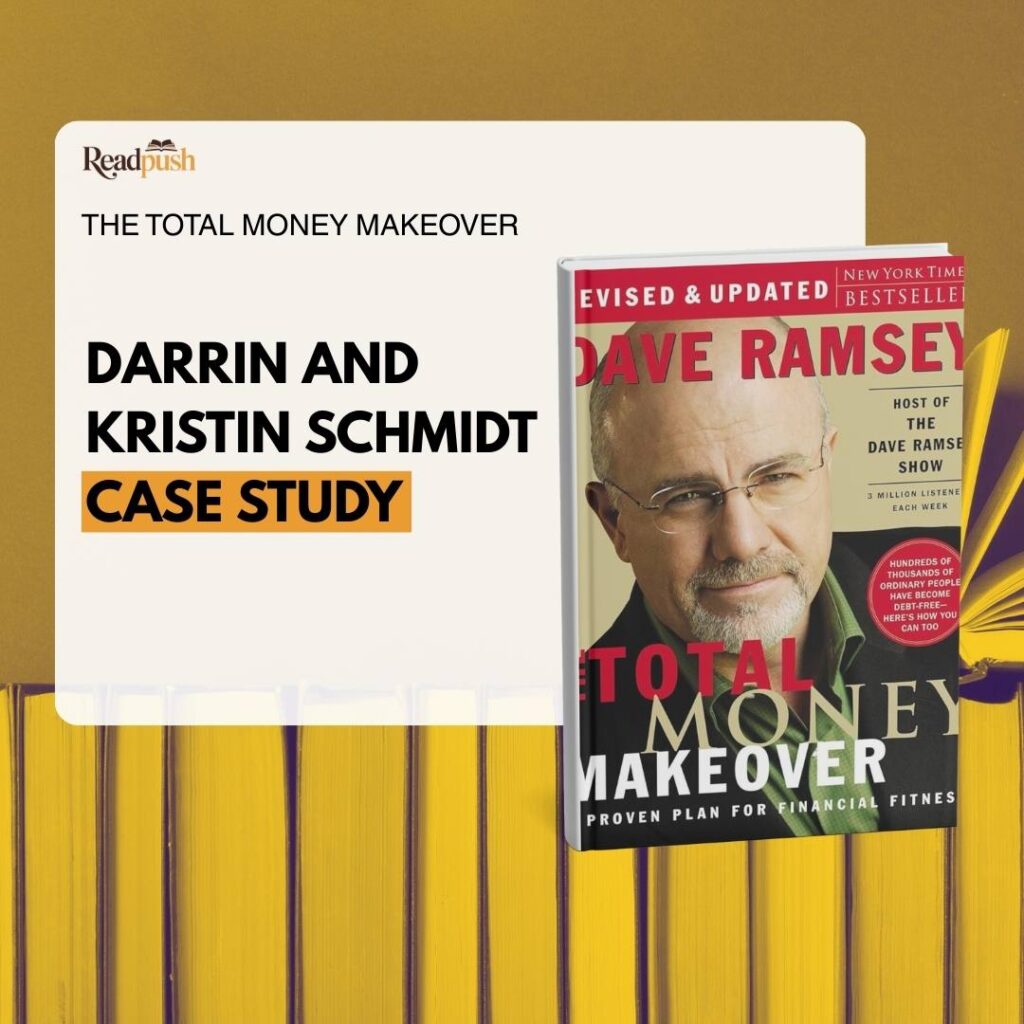
This case matters because it shows how an ordinary couple used a simple but powerful principle to create protection, peace, and long term stability. Much of what they applied comes from Dave Ramsey’s book The Total Money Makeover which argues that financial change comes from behavior and a clear plan. Readers looking for a deeper understanding can explore the complete review of the book in our dedicated analysis.
Before their transformation, the Schmidts were like many young couples. Two incomes, many expenses, no safety margin. They were earning enough yet constantly feeling behind. They were not reckless but they were reactive. Every month felt like a new fight with money. When a medical bill surprised them, they realized their system had to change. This story teaches how an emergency reserve and a simple budget can reshape the future of a household.
Readers will learn the exact steps they took, the problems they faced, and the specific results they achieved. Anyone who wants stability and freedom will find themselves reflected in this journey.
Background: Meet the Schmidts
Darrin and Kristin Schmidt lived in a midsized city and worked in education and healthcare. They were a normal middle income couple with steady jobs but no plan. Their combined earnings placed them right in the national average. The problem was not income. It was direction. Their financial life was made of guesswork. They had a savings account with a few hundred dollars that moved up and down depending on the month. They did not track spending and they often used credit cards to fill the gaps. Nothing felt extreme, yet nothing felt secure.
The key decision makers were both spouses. They shared the same values but not the same habits. Kristin was cautious and wanted to build savings. Darrin was optimistic and believed everything would work out. They loved each other but they did not have a shared strategy. When they began talking about starting a family, their concerns grew. The idea of unpaid leave, medical costs, and the arrival of a new baby made them question their readiness.
Their receptiveness to new ideas grew after a moment they often describe as their wake up call. A small accident resulted in an unexpected four hundred dollar bill. They did not have the money. They used a credit card. They felt embarrassed and stressed. That simple moment pushed them to search for a method that would help them avoid these situations.
Readers who have been in similar moments will relate deeply to this stage. It is the point where discomfort becomes motivation.
Understanding the concept
The book concept they applied was the fully funded emergency reserve combined with the zero based spending plan. This idea is simple yet transformative. It teaches that a household with no margin will always live in stress while a household with a cash reserve gains control over every decision. The emergency reserve acts as a barrier between daily life and financial disaster. It removes panic from unexpected events.
The zero based plan is the second part of the structure. It forces the family to assign every dollar to a purpose before the month begins. This creates clarity. It also exposes waste and emotional spending. When the Schmidts began practicing this method, they felt as if they had given themselves a raise. They started finding money they did not know they had.
In The Total Money Makeover this idea is presented as one of the pillars of stability. Readers who want a deeper explanation can examine our guide to the importance of financial safety reserves. The Schmidts followed the method exactly. First they built a beginner reserve. Then they paid off their remaining debts. After that they saved a full six months of expenses. These steps changed their relationship with money completely.
Implementation challenges
The first obstacle they faced was discipline. Both spouses had to learn how to plan their month with precision. The zero based method looked simple on paper but applying it required patience. The first month ended with mistakes and arguments. They had underestimated groceries and forgotten a few annual costs. They wanted to quit, but they kept adjusting the numbers and kept improving.
A second challenge was delayed gratification. They were used to spontaneous purchases. Now every choice had to be intentional. When friends invited them to a weekend trip, they had to say no. When a new furniture set caught their attention, they walked away. These were real sacrifices. They often describe this season as a battle between short term desire and long term freedom.
A third obstacle came from social pressure. Family members did not always understand their plan. Some thought they were being too strict. Others believed emergencies could always be handled with credit. The Schmidts resisted these opinions. They stayed focused on the finish line.
The most emotional challenge came when they were close to reaching their six month reserve. They had saved four months and felt exhausted. They questioned if the remaining two months were worth the effort. At this stage they revisited the stories found in the emergency reserve guide which reminded them of the peace that comes with security. This renewed their motivation.
Their journey shows that implementation is never perfect. It is messy, emotional, and filled with temptations. Yet the struggle is what builds the transformation.
The results
The measurable outcomes of the Darrin and Kristin Schmidt case study are impressive. They became completely debt free within fourteen months. They then saved a six month emergency reserve within the next eight months. Their savings reached a total of twenty three thousand dollars. This money covered housing, food, transportation, insurance, and basic living costs. They now had a safety net that could carry them through extended leave or job loss.
Before applying the method, their net worth was negative. Their savings account was unstable. Their spending was unclear. Their stress was constant. After the transformation, their net worth was positive. Their emergency reserve was solid. Their spending was intentional. Their stress level dropped dramatically.
Their direct financial gains were obvious. They stopped wasting money on interest. They stopped using credit cards. They gained control of every dollar. Their long term benefits were even greater. When they welcomed their first child, Kristin took three months off without financial pressure. They paid medical expenses in cash. They enjoyed the moment rather than fearing it.
Their return on effort was enormous. Over twenty two months they sacrificed small comforts in exchange for a lifetime of stability. Their cost benefit ratio was clear. A couple of disciplined years resulted in decades of security and peace.
Expert analysis
The method worked for them because it addressed the root issue which was lack of structure. Money without direction tends to disappear. Money with a plan tends to grow. The emergency reserve protected them from panic. The zero based plan forced them to behave with intention. Together these two tools created a foundation strong enough to support the growth of a family.
Their success also reveals an important psychological truth. People change most effectively when they see progress. The Schmidts celebrated every milestone. These wins built momentum. They became motivated not by fear but by vision. This aligns with the principles presented in our guide to financial behavior which explains that winning small battles leads to long term transformation.
The final key factor was unity. They worked together. They communicated. They adjusted their plan. This teamwork amplified the results.
The transformation of Darrin and Kristin Schmidt shows how two ordinary people created extraordinary stability by applying the emergency reserve concept with consistency and courage. They moved from stress to peace. They paid off every debt. They saved a six month reserve. They welcomed their first child with confidence rather than fear. Their story proves that financial change is possible when behavior changes first.
Readers who want to begin their own journey can start with our summary of The Total Money Makeover and then explore the detailed guide on building a strong financial foundation. The essential lesson is simple. Stability grows when intention leads the way. The Schmidts chose intention. The result changed their life.