

Most people want to build better routines but they keep falling into the same cycle. You set a goal, you feel motivated for a week, then real life hits. Your energy drops. Your schedule fills up. The excitement disappears. The habit breaks before it even starts. You blame discipline when the real problem is the lack of a solid system to support the behavior. This is where proven habit building frameworks change everything and allow you to create consistent growth in life and business.
Think about the last time you tried to build a new routine. Maybe you wanted to start a workout plan or grow your business with daily marketing tasks. You were excited at first. Then frustration took over. You were depending on willpower instead of building an operational system that makes the habit almost automatic.
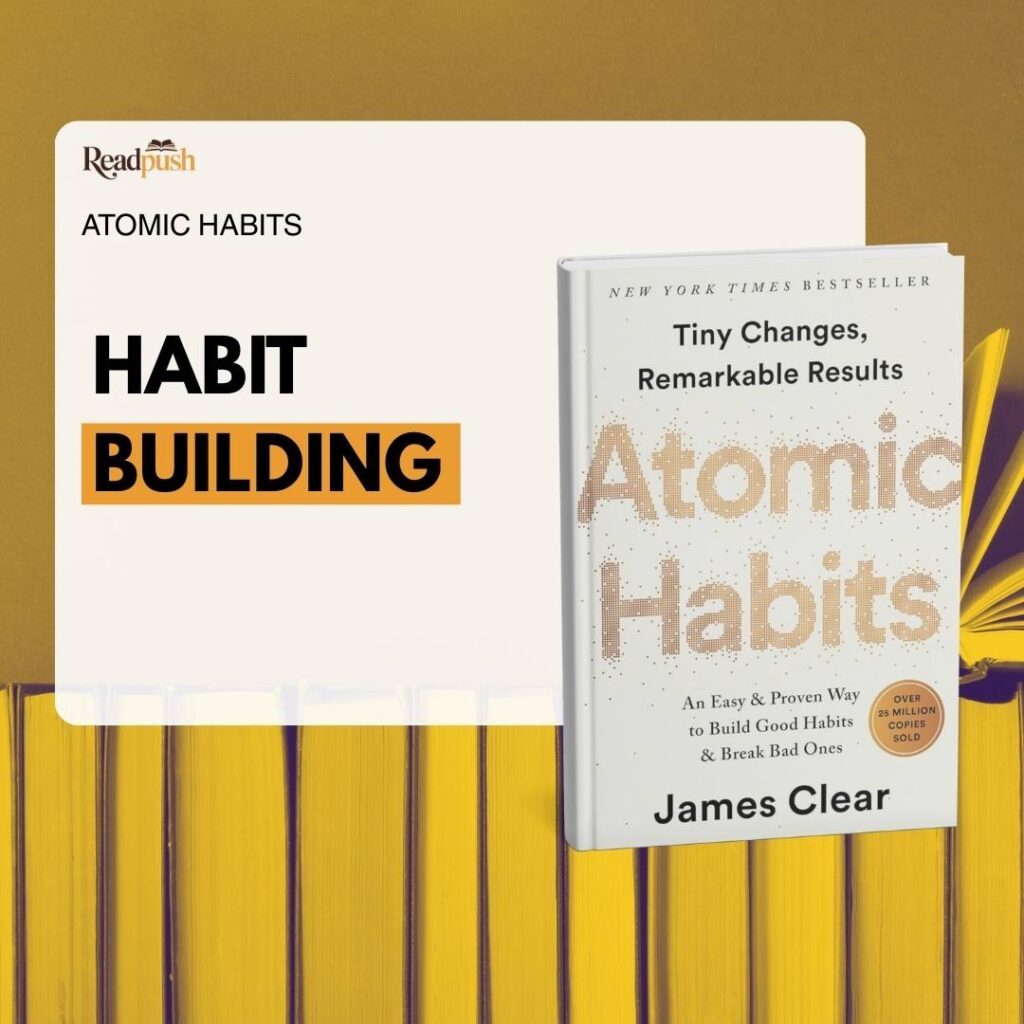
This framework comes from James Clear Atomic Habits, which argues that small repeated actions shape your identity and create massive long term transformation. Read our complete breakdown in the main Atomic Habits summary. When you apply strong habit building frameworks, you remove friction, create clarity, and make progress even on low energy days.
In this guide you will learn practical habit formation steps, clear instructions, and examples that help you turn your ambitions into a predictable daily system. The goal is simple. You will learn to build habits that work for you, not against you.
Understanding habit stacking and the two minute rule
Habit building frameworks have one mission. They turn routines into automatic behaviors that support your long term success. Two of the most powerful frameworks from Atomic Habits are Habit Stacking and The Two Minute Rule. These practical habit systems work because they focus on small repeatable actions instead of relying on motivation.
Habit Stacking links a new behavior to a routine you already do every day. Your brain already trusts the old habit. When you attach the new one to it you create a natural cue that requires less mental effort. This is why it becomes easier to maintain the habit even when your schedule feels heavy.
The Two Minute Rule takes the opposite direction. Instead of attaching habits together it reduces a new behavior to the smallest possible version. This removes resistance. You focus on starting instead of finishing. Over time this small entry point grows into a full meaningful routine.
For the full context of this framework within Atomic Habits larger philosophy, see our deeper analysis of systems vs goals and the identity based habits breakdown. These ideas work together and create a simple structure for long term behavior change.
Both frameworks rely on the same logic. When the action is easy. When the cue is obvious. When the first step takes less than two minutes. The habit becomes effortless. This is what makes them reliable for entrepreneurs and professionals who want predictable progress.
Prerequisites
Before you start building habit systems you need a few essentials in place. First you need clarity about the type of person you want to become. This gives purpose to the habit. It turns repetition into identity reinforcement.
Second you need a simple space or environment that supports your behavior. You do not need a fancy setup but you do need a place where you can repeat the habit without distraction. This could be your desk, your bedroom, your kitchen or your workout corner.
Third, you need realistic expectations. You cannot build ten habits at once. You will focus on one or two at a time. This is enough to create noticeable change without overwhelming your mind.
Finally you need a small time commitment. You do not need hours. You need two to five minutes each day to initiate the routine. Once the system is in place it expands naturally.
Step by step implementation using habit building frameworks
This section gives you a complete blueprint. You will use Habit Stacking and The Two Minute Rule together to create a strong and simple operational system.
STEP 1: Identify the keystone habit you want to build
What to do
Decide on one habit that would create the biggest positive impact. It must be clear, measurable and repeatable. Examples include daily reading, writing, marketing outreach or exercise. Write it down in one short sentence.
Why this matters
Choosing one high value habit keeps your system focused and prevents distraction which makes the habit more likely to stick.
Internal link: This connects directly to the identity based habits concept which you can explore in the identity article.
STEP 2: Break it down using the two minute rule
What to do
Reduce the habit to a version that takes less than two minutes. If your goal is reading every day, start with one page. If your goal is exercising, start with putting on your workout shoes. If your goal is business growth, start with one marketing email.
Why this matters
When the starting point is small your resistance disappears. You start the habit even on difficult days.
Internal link: For a complete explanation of the laws behind reducing friction you can study the four laws of behavior change guide.
STEP 3: Attach the habit using habit stacking
What to do
Choose a daily habit you already perform without thinking. Write your stack using the formula.
After I [current routine] I will [make a new habit].
Examples. After I pour my morning coffee I will read one page. After I open my laptop I will write one sentence.
Why this matters
Your brain already trusts the existing routine. Attaching your new habit makes the behavior automatic.
Internal link: The systems vs goals article gives more insight into why you should build processes not targets.
STEP 4: Create a physical cue in your environment
What to do
Place a physical item where it will trigger the habit. A book on your pillow. Running shoes by the door. A notebook on your desk. Water bottle next to your keyboard.
Why this matters
Your environment shapes behavior. Strong cues remove the need for motivation and make the habit obvious.
STEP 5: Perform the habit daily and track it
What to do
Each time you complete the habit mark it. Use a calendar, a wall chart or a digital checklist. The goal is visual evidence that you are consistent.
Why this matters
Tracking builds satisfaction which strengthens the habit and keeps the chain alive.
STEP 6: Expand the habit only after 10 to 14 days
What to do
Once the two minute version feels automatic, increase the duration slightly. One page becomes three pages. One sentence becomes a paragraph. One minute workout becomes five minutes.
Why this matters
Growth should be slow. Expanding too fast breaks the system. The identity must solidify before the habit grows.
STEP 7: Build a system of accountability
What to do
Tell another person about your habit or create a simple habit contract. This can be a friend, partner or colleague. You can also reward yourself for streaks.
Why this matters
Accountability makes the habit unsatisfying to break and strengthens commitment.
STEP 8: Evaluate your system weekly
What to do
Every week review your progress. Ask two questions. Did I start the habit every day. What made the habit difficult on certain days. Adjust your cues or environment if needed.
Why this matters
Systems improve through reflection not pressure. Small tweaks create big improvements.
STEP 9: Add a second mini habit only when the first is stable
What to do
If your first habit feels effortless add another two minute habit. Use the same frameworks.
Example. If reading is stable, start writing. If writing is stable, start marketing outreach.
Why this matters
This creates a chain of productive routines which together build your operational life system.
STEP 10: Reinforce identity through small wins
What to do
Each time you complete the habit say to yourself I am becoming the type of person who does this consistently. Let your identity grow through repetition.
Why this matters
Identity creates permanence. When you see yourself as the type of person who performs the habit you no longer need motivation.
Common mistakes to avoid
Many people fail to build habits because they overlook critical details. One problem is starting too big. When you begin with a full workout or full writing session you exhaust your mental energy and the habit collapses within days. Another mistake is using multiple new habits at once. This divides your focus and weakens your consistency.
A third problem is ignoring environment design. You cannot expect strong behavior in a weak environment. When cues are hidden you forget the habit. When distractions are visible they dominate your attention.
A fourth mistake is depending on motivation instead of a system. Motivation is unstable. Systems are reliable. Another problem is skipping the habit twice. Missing once is human. Missing twice breaks your identity.
Finally many people never track their habits. Without visible progress you lose momentum and forget the importance of small wins.
Avoiding these pitfalls makes habit building frameworks work smoothly.
Habit building frameworks allow you to grow through small consistent steps. When you understand how habits truly form you stop relying on motivation and start using operational systems that support your goals. You become more consistent, more focused and more capable of reaching the life you want.
You now have a complete blueprint. Start small. Attach habits to existing routines. Reduce friction. Track progress. Expand slowly. Your identity will catch up with your actions and success will feel more predictable.
The one principle to remember is this. Tiny steps repeated daily shape who you become.
For more actionable frameworks from Atomic Habits explore our lessons guide or dive deeper into identity based habits and the four laws of behavior change and systems vs goals.