Quick takeaways
- Identity-based habits ask a different question than goals do: not what you want, but who you’re becoming.
- The reason the framing works clinically is that it closes the gap between effort and reward — the gap where most habit attempts break.
- Where Clear understates the difficulty: identity is built from evidence, and most of us are missing the evidence we need.
- If you’ve tried and failed at the same habit twice, the question to sit with is the identity claim underneath it, not the system on top of it.
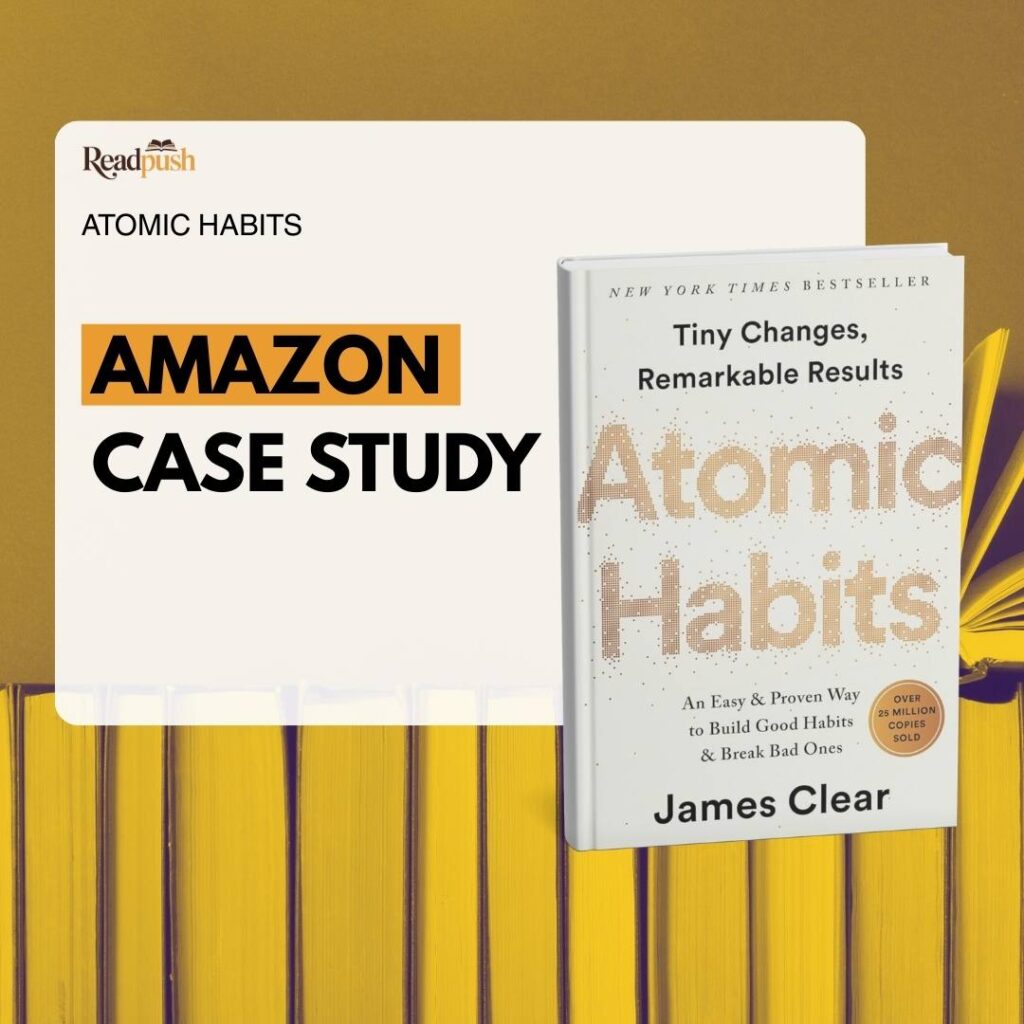
If you’ve picked up Atomic Habits at any point in the last five years and put it back down disappointed, there’s a chance you skimmed the one chapter that actually matters. It’s not the one about habit stacking, or the chapter on environment design, helpful as those are. It’s chapter two: the one on identity.
That chapter is where James Clear makes a small, careful argument that has more clinical weight to it than most readers notice. The argument is that durable behaviour change doesn’t live at the level of outcomes, and it doesn’t live at the level of process. It lives at the level of identity — who you believe you are, quietly, when no one is watching. This piece is for the reader who’s tried the trackers, tried the streaks, tried the apps, and quietly wondered why none of it stuck.
What Clear is actually saying
Clear’s framing goes like this. Most people, when they want to change a behaviour, set an outcome goal: lose 20 pounds, write a novel, drink less. That’s the surface layer. Underneath, there’s a process layer — what you do every day to move toward the outcome. And underneath that, there’s an identity layer: who you believe yourself to be.
The shift Clear suggests is small but important. Instead of I want to run a marathon, you ask: who is the kind of person who runs marathons? Then you do small things that look like what that person would do. Every time you do one of them, you cast what Clear calls a vote for the identity you’re trying to become. The behaviour is downstream of the self-story. The full argument for identity-based habits is laid out in more detail if you want to go deeper into the research behind it.
The line from the book worth keeping: every action you take is a vote for the type of person you wish to become.
Why this lands, clinically
In my work with clients, the people who manage durable behaviour change are almost never the ones who push hardest at the outcome. They’re the ones who quietly revise who they think they are, and let the behaviours follow. That doesn’t make for a satisfying productivity tweet, but it’s what shows up in the room.
There’s actual research behind this. Self-perception theory, going back to the social psychologist Daryl Bem in the 1960s, suggests that we infer our own internal states partly from observing our own behaviour. If I notice I keep going to the gym, I begin to think of myself as someone who goes to the gym, which then makes me more likely to go again. The American Psychological Association has a useful summary of self-perception theory if you want the academic version. Clear is essentially translating that body of work into something you can use on a Tuesday.
Where the book understates the difficulty
This is the part of Atomic Habits that gets oversold by everyone repeating it, and it’s worth slowing down on if you’ve tried this and felt it fall flat.
Identity is built from evidence. Clear says so, more or less, in the same chapter. But what he doesn’t quite name is that most of the people who need a new identity are people whose evidence pile has been gathering in the other direction for years. If you’ve spent fifteen years telling yourself, on some quiet level, that you’re not a person who can stick to anything, you don’t undo that by deciding one morning that you are. You’d be voting against a long, well-documented record.
What’s worth noticing is that the early evidence-gathering phase — the part where you’re stacking the first few votes against an old self-story — is the hardest and the most fragile. It doesn’t feel like progress. It feels like effort that isn’t earning much in return. This is also where most people quit, because the gap between what they’re doing and how they feel about themselves hasn’t closed yet. Clear acknowledges this in passing. He doesn’t sit with it for as long as it deserves.
If this is where you’ve gotten stuck, it’s not a willpower problem. It’s a math problem. Your old self-story has a lot of data behind it. The new one has almost none. You have to keep going for longer than feels reasonable before the balance tips. The Four Laws of Behavior Change exist precisely to lower the cost of that early, unrewarding phase — environment design does work here when identity alone isn’t enough yet.
|
Identity-Based Habits Three layers of behaviour change — and why most people never reach the bottom one
|
||||||||||||||||||
A small experiment, if you want one
Take a habit you’ve tried and failed at twice. Write down the outcome you wanted — lose weight, write more, drink less. Then write down, underneath it, the identity claim that habit would represent. The kind of person who eats well. The kind of person who writes. The kind of person who has a steady relationship with alcohol.
Now read the identity claim out loud and pay attention to what your body does. Most people, doing this honestly, find that the identity claim feels slightly absurd to say about themselves. Something flinches. That’s not me. That flinch is the actual obstacle. The habit was never the obstacle. The habit was a downstream symptom of the self-story.
What helps, gently, is to lower the identity claim until it stops triggering the flinch. You probably can’t, this week, become “a writer.” You might be able to become “someone who writes a few sentences on most days.” That’s a much smaller claim. It’s also true the moment you write the first few sentences. From there, you can build the evidence pile.
When identity-based habits don’t help
It’s worth saying that not every behaviour problem responds to this framing, and pretending it does is part of why Atomic Habits sometimes gets used as a stick.
If the behaviour you’re trying to change is bound up with anxiety, depression, trauma, or something that’s been pushed underground for a long time, the identity framing alone is often too thin. You can decide to be the kind of person who sleeps eight hours, but if you wake at 3am with a racing heart that won’t quiet, the issue isn’t your bedtime story. It’s the thing underneath it. A book can’t reach there. A person sometimes can, which is why I’ll always be the writer who mentions, gently, that some difficulty is therapy-shaped, not productivity-shaped.
Clear isn’t writing a clinical book and shouldn’t be held to that standard. But readers who keep trying and failing the same habit might benefit from asking a different question entirely: is this a habit problem, or is it the surface of something else?
Common misconceptions about identity-based habits
You have to “fake it till you make it.” No. Faking it past where the evidence supports you usually creates more shame, not more habit. Scale the identity claim down to the smallest version that’s currently true, and let it grow from there.
It’s a mindset thing. “Mindset” as used in self-help has become shorthand for thinking your way out of structural problems. Identity-based habits aren’t a mindset trick. They’re a slow accumulation of behavioural evidence that quietly rewrites how you describe yourself — mostly to yourself.
The bigger the identity, the better. The opposite, actually. Smaller, more specific identities are more useful than aspirational ones. “Someone who walks after dinner” beats “fit person.” The smaller version is easier to defend and easier to vote for.
Once you’ve shifted identity, you’re done. You’re not. Identities erode under stress. The work of identity-based habits is, in the long view, the work of maintaining your relationship with the version of you you’re trying to be — through busy weeks, hard months, grief, life. It’s quieter than the book makes it sound.
|
Common sticking points Why identity-based habits feel harder than the book suggests — and what actually helps
|
||||||||||||||||
The same issue appears from another angle in Lessons from Atomic Habits, where the question of attention, habits, and what actually changes behaviour becomes easier to see without turning the book into a slogan.
The same issue appears from another angle in The Psychology of Money, where the money decision underneath the book becomes easier to see without turning the book into a slogan.
The same issue appears from another angle in How to build habits that actually stick, where the question of attention, habits, and what actually changes behaviour becomes easier to see without turning the book into a slogan.
What to do if this is landing
If you’ve read this far and something is starting to clarify, pick one habit you’ve tried and failed at. Just one. Write the identity claim underneath it. Notice the flinch. Make the claim smaller until the flinch quiets. Take one action this week that’s a vote for the smaller version. That’s the work. It’s less exciting than the version sold in habit-tracker apps. It’s also the version that, in my experience, actually changes the way people live.
If you want a companion piece to Clear’s book, the full Atomic Habits review covers where the system has real limits and what the research says about how identity actually shifts. BJ Fogg’s Tiny Habits approaches similar ground from a behavioural-design angle and is honest about how small a starting point can be. Oliver Burkeman’s Four Thousand Weeks is the gentler cousin to both. The pairing is useful.
Read chapter two of Clear’s book if you haven’t. Read it twice. Let it meet you where you are.